

By Origin Results.
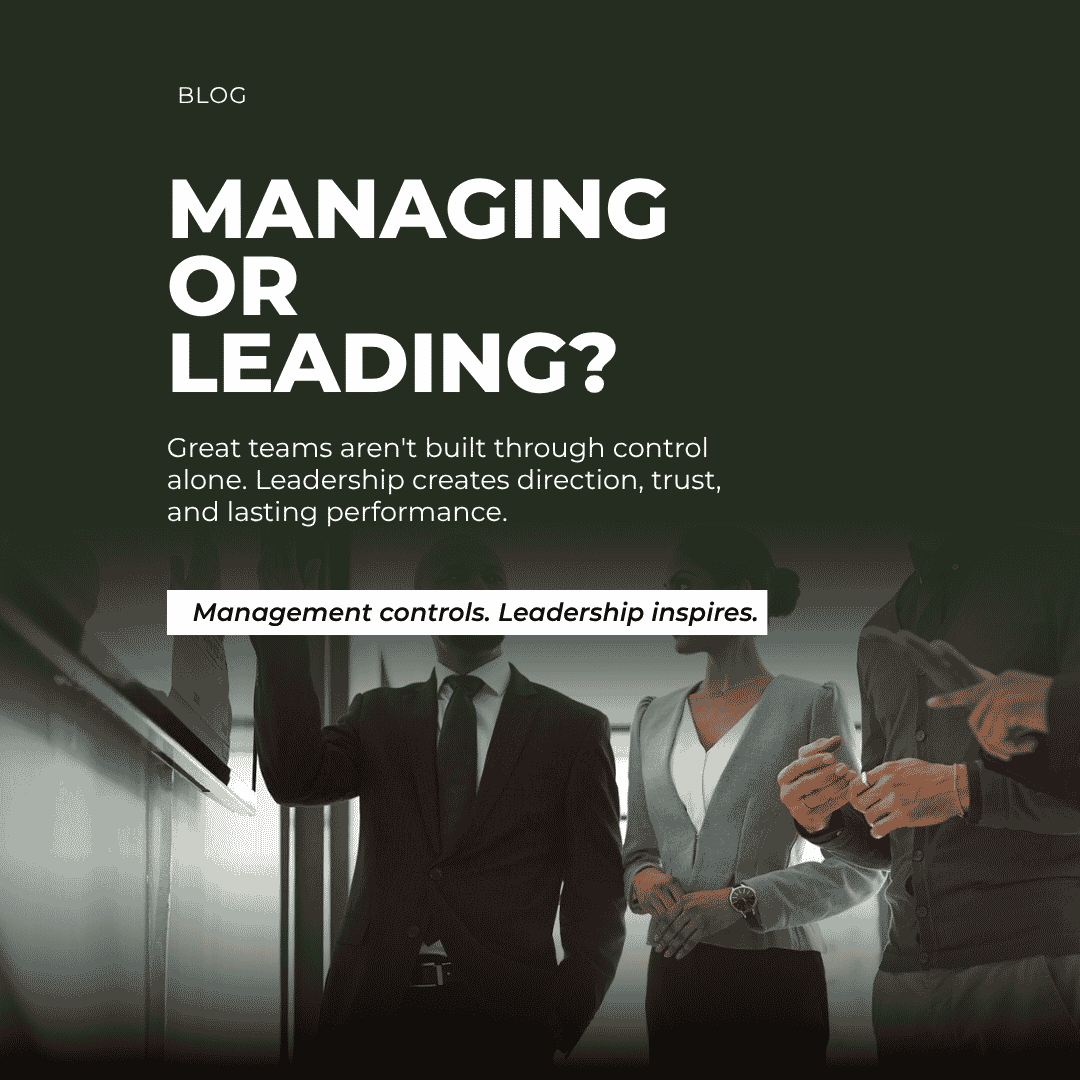
Effective leadership drives revenue growth while mere management suffocates it. Managing teams often devolves into merely overseeing task completion and controlling performance metrics without substantial impact on overall revenue dynamics. In contrast, leading involves inspiring action, guiding strategic direction, and fostering development that translates directly into revenue enhancement.
Understanding the Operational Realities
Revenue operators must recognise the critical distinctions between managing and leading, as these influence the bottom line. The intervention in systems of control is more significant than one might assume. When teams function under strict management, innovation stalls. There are fewer incentives for team members to take ownership or think critically about revenue mechanics. This stagnation comes with quantifiable costs, lost opportunities and revenue plateaus.
Management: Oversight with Limitations
- Focus on metrics can lead to micromanagement, stifling initiative.
- Controlled environments inhibit creativity and risk-taking, necessary for growth.
- Reactive approaches to performance issues often result in increased turnover costs.
Leading: Visionary Guidance
- Establishes clear, actionable intentions that align with financial goals.
- Encourages critical thinking around outcomes, driving sustained growth.
- Utilises strategic controls that allow flexibility while maintaining accountability.
Consequences of Failing to Lead Effectively
Revenue loss is often a direct result of ineffective leadership practices. When focus remains locked on control over visionary guidance, several issues arise:
- Teams become disengaged and unproductive, impacting output and quality.
- Market presence diminishes due to the lack of proactive strategies and innovations.
- Resource allocation becomes inefficient, risking budget constraints and profitability.
Restoring Control Through Leadership
To reverse the trend of stagnation, operators must enforce a leadership framework designed for revenue growth. This begins with clear objectives and a robust infrastructure, including:
- Clear revenue targets that inform decision-making processes.
- Consistent performance reviews that tie individual contributions to team goals.
- Establishing thresholds for accountability that compel team members to excel.
Why Leadership Must be Non-Negotiable
Without decisive leadership, revenue growth becomes erratic and unpredictable. Control mechanisms rooted in effective leadership reduce volatility. They establish a foundation for consistent performance, which in turn secures revenue streams. Addressing this gap in leadership not only preserves but propels revenue momentum.
Decisive Action Leads to Revenue Clarity
In closing, the operational verdict is clear: to foster an environment that prioritises revenue growth, leadership must replace mere management. Inspired guidance, strategic enforcement of accountability, and clarity of purpose will develop systems that enhance productivity and secure revenue streams. The time for decisive leadership is now.


